Maximizing Efficiency in Commercial Buildings: Routine Maintenance for Package Units and RTUs
Commercial buildings depend heavily on consistent indoor comfort, air quality, and energy efficiency to support daily operations. Among the most critical components ensuring this performance are package units and rooftop units (RTUs). These systems are responsible for regulating temperature, humidity, and airflow across large occupied spaces such as offices, retail centers, warehouses, and institutional facilities. When operating efficiently, these systems reduce energy consumption, maintain occupant comfort, and extend equipment lifespan.
However, without structured maintenance, performance degradation becomes inevitable. Dust accumulation, refrigerant imbalance, airflow restrictions, and electrical wear can silently reduce efficiency long before visible breakdowns occur. This not only increases operational costs but also places unnecessary strain on HVAC infrastructure. Routine maintenance is therefore not optional—it is a strategic requirement for building performance optimization.
In modern facility management, proactive servicing of package units and RTUs has become a key driver of sustainability and cost control. Proper maintenance routines help identify early-stage faults, ensure system calibration, and maintain energy-efficient operation throughout seasonal demand fluctuations. By prioritizing preventive care, building operators can significantly reduce downtime, improve system reliability, and enhance overall environmental comfort standards across commercial spaces.
Understanding Package Units and RTUs in Commercial HVAC Systems
Role in Commercial Climate Control
Package units and rooftop units serve as centralized HVAC solutions designed to manage large-scale heating and cooling requirements in commercial environments. These systems integrate compressors, coils, fans, and filters into a single housing, simplifying installation, improving service access, and supporting consistent performance across diverse building layouts and operational demands through efficient centralized HVAC management system frameworks.
Operational Importance in Large Buildings
Consistent air distribution is essential in commercial buildings to maintain productivity, comfort, and operational stability across occupied spaces. RTUs and package units provide zoned temperature control, balancing heating and cooling demands throughout varied internal environments. These systems support retail centers, offices, and industrial facilities where occupancy loads and thermal conditions constantly fluctuate for optimal building performance management.
Energy Efficiency and System Load Balance
System efficiency directly impacts energy consumption in commercial HVAC operations, especially when package units and RTUs are properly maintained. Balanced airflow and optimized compressor loading reduce unnecessary strain on equipment. Poor maintenance leads to uneven cooling cycles, higher energy usage, and accelerated system wear, increasing long-term operational costs and reducing overall reliability across commercial facility efficiency gains.
Common Performance Issues
Common operational issues in package units and RTUs include clogged filters, dirty condenser coils, refrigerant leaks, and faulty sensors that gradually reduce system efficiency. These problems increase energy consumption and strain HVAC components, often going unnoticed until performance declines significantly. Early identification through routine inspection helps prevent major failures and ensures stable operation system reliability improvement processes.
Routine Maintenance Essentials for Optimal Performance
Filter Management and Airflow Optimization
Air filters play a critical role in maintaining airflow quality within package units and RTUs, preventing dust accumulation and protecting internal components from contamination. When filters become clogged, system efficiency drops, energy consumption rises, and airflow becomes restricted. Regular replacement or cleaning ensures consistent air circulation, improved performance, and reduced strain on HVAC systems efficiency improvement measures.
Coil Cleaning and Heat Exchange Efficiency
Evaporator and condenser coils are essential for effective heat exchange in HVAC systems, enabling proper cooling and heating cycles. Over time, dust and debris reduce their performance, limiting thermal transfer efficiency. Routine cleaning restores functionality, improves system response time, prevents overheating, and ensures consistent energy-efficient operation across commercial package units and rooftop systems with long-term reliability results.
Electrical Inspection and Component Safety
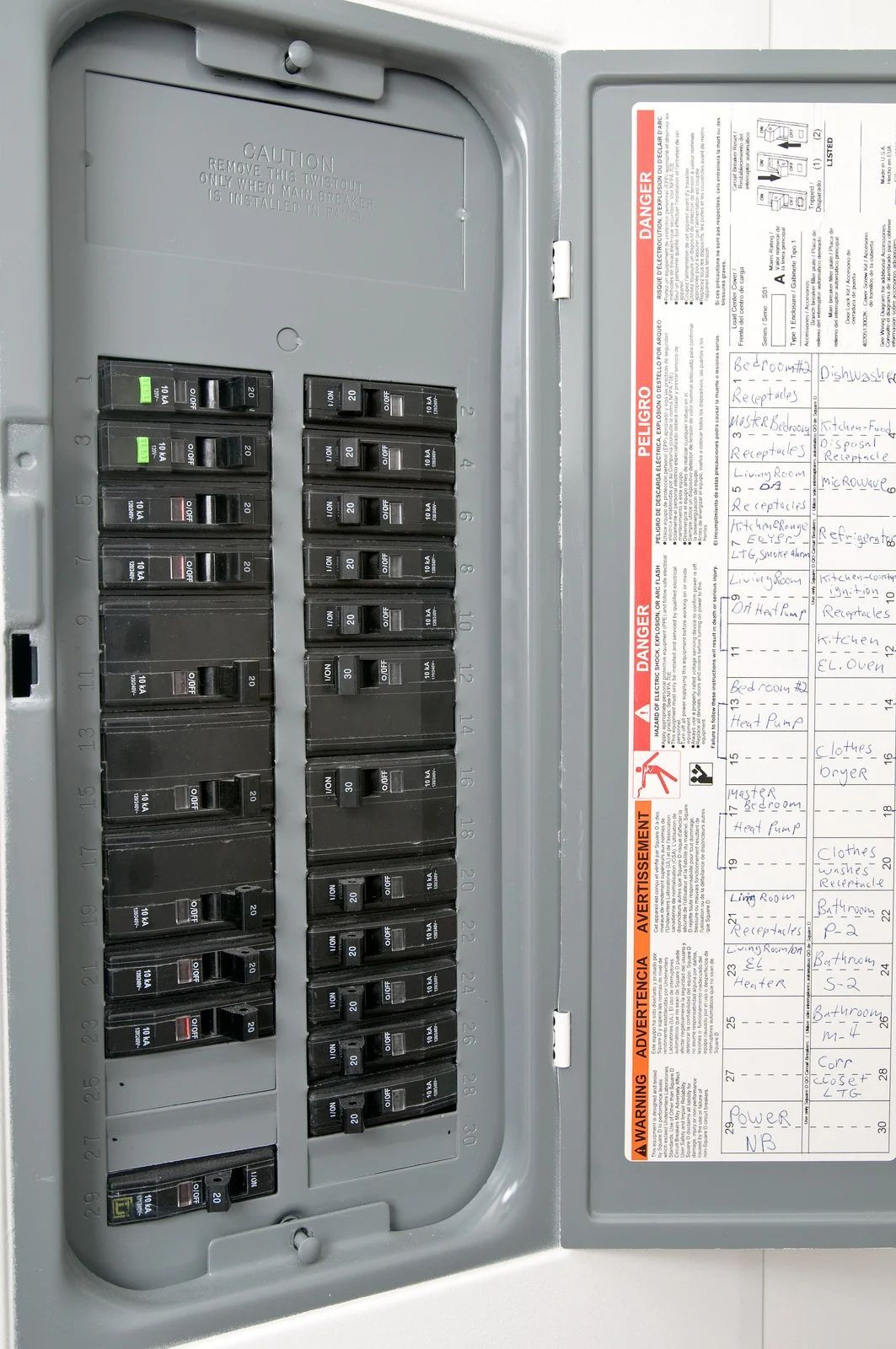
Electrical components in RTUs and package units, including contactors, capacitors, and wiring systems, require regular inspection to ensure safe and stable operation. Loose connections or worn parts can cause system failures, energy inefficiency, or safety hazards. Routine checks help maintain electrical integrity, prevent breakdowns, and support consistent HVAC performance in commercial environments through system safety assurance protocols.
Refrigerant Level Monitoring
Correct refrigerant levels are essential for maintaining efficient cooling performance in package units and RTUs, ensuring optimal compressor function and system balance. Low refrigerant often indicates leaks, while excessive charge reduces efficiency and increases pressure. Regular monitoring helps maintain cooling accuracy, protects equipment longevity, and prevents costly mechanical failures in commercial HVAC systems.
Preventive Maintenance Strategies for Long-Term Reliability
Scheduled Maintenance Planning
Structured maintenance scheduling ensures consistent evaluation of package units and RTUs throughout seasonal cycles, helping prepare systems for peak heating and cooling demands. Planned servicing reduces unexpected breakdowns, improves operational reliability, and enhances energy efficiency. Regular scheduling also allows early detection of issues, minimizing repair costs, and ensuring uninterrupted commercial HVAC performance system readiness improvement strategy framework.
Predictive Maintenance Using System Data
Modern HVAC systems enable predictive maintenance through sensors and performance monitoring tools that track temperature variations, airflow consistency, and energy usage patterns. This data-driven approach identifies inefficiencies early, allowing corrective actions before failures occur. Predictive strategies improve system reliability, reduce downtime, and enhance overall efficiency in commercial package unit and RTU operations through advanced optimization methods integration.
Lubrication and Mechanical Component Care
Moving mechanical components, such as fans, motors, and bearings, require consistent lubrication to minimize friction and prevent excessive wear in package units and RTUs. Neglecting lubrication leads to overheating, reduced efficiency, and premature component failure. Regular servicing extends equipment lifespan, ensures smoother operation, and supports reliable performance across demanding commercial HVAC environments and maintenance optimization benefits systems.
Calibration of Thermostats and Controls
Accurate thermostat calibration is essential for maintaining precise temperature control in package units and RTUs, ensuring efficient system response and consistent indoor comfort. Miscalibrated controls can lead to energy waste, uneven cooling, and operational inefficiencies. Regular calibration improves accuracy, enhances system responsiveness, and supports optimal HVAC performance in commercial environments through continuous system adjustment practices and control optimization.
Energy Efficiency and Cost Control Through Maintenance
Reducing Operational Energy Consumption
Proper maintenance of package units and RTUs significantly reduces operational energy consumption by ensuring clean airflow paths, efficient refrigerant cycles, and optimized compressor performance. Well-maintained systems require less power to achieve desired temperature levels, resulting in lower utility costs and improved building efficiency across commercial facilities with high cooling and heating demands efficiency enhancement operational framework model.
Extending Equipment Lifespan
Routine maintenance plays a critical role in extending the lifespan of package units and RTUs by reducing mechanical stress, preventing premature component failure, and maintaining stable operating conditions. Consistent servicing ensures that compressors, coils, and electrical systems function efficiently over time, reducing the need for costly replacements and supporting long-term HVAC reliability and durability performance enhancement strategy approach.
Minimizing Emergency Repair Costs
Preventive maintenance significantly reduces emergency repair costs by identifying potential system issues early in package units and RTUs before they escalate into major failures. Addressing minor faults promptly prevents unexpected breakdowns, minimizes downtime, and reduces expensive service interventions. This proactive approach ensures consistent HVAC performance and controlled operational expenditures in commercial buildings, cost efficiency improvement system solution.
Common Challenges in RTU Maintenance and How to Overcome Them
Accessibility Issues in Rooftop Systems
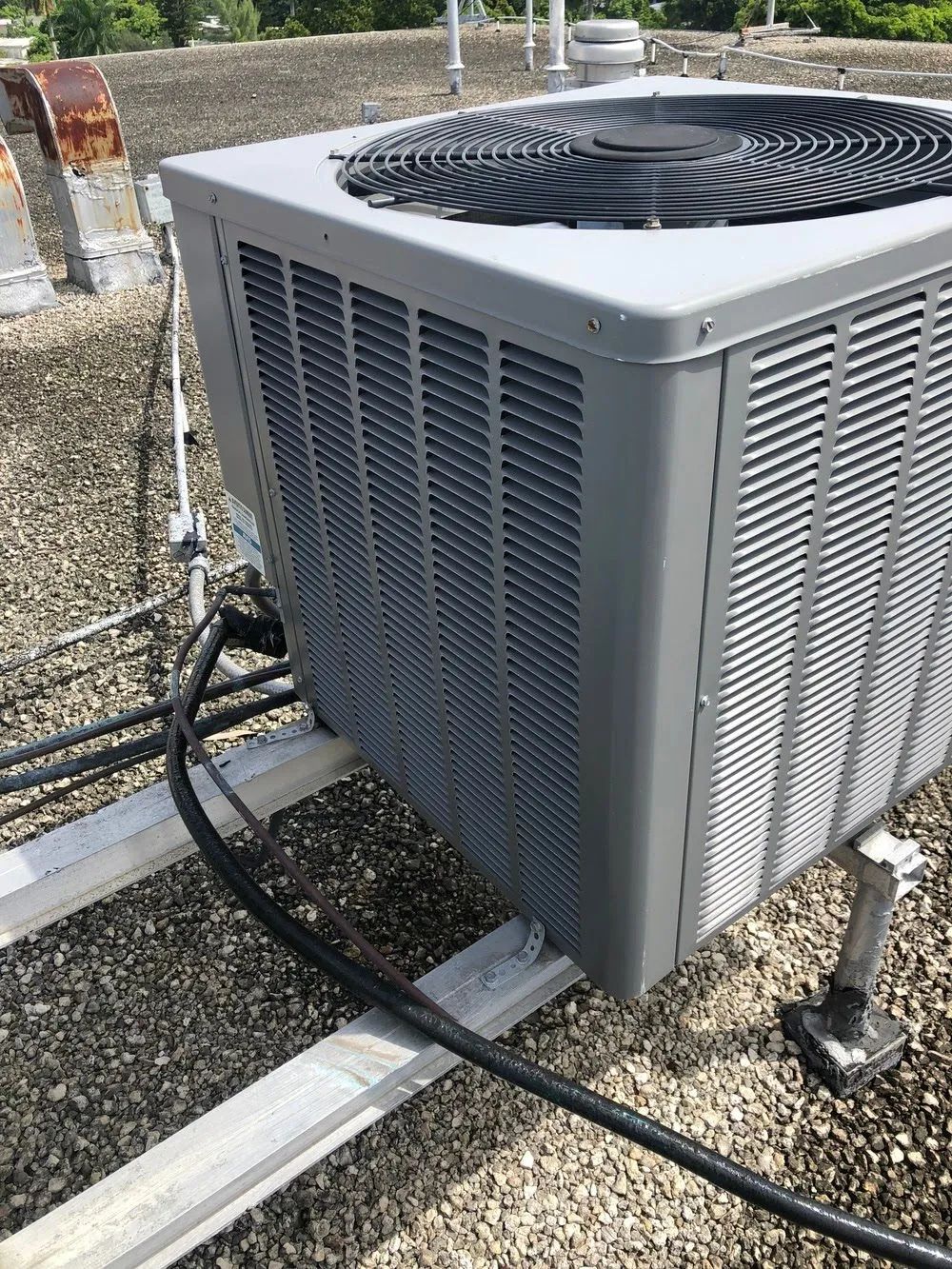
Rooftop-installed RTUs often present accessibility challenges that complicate routine maintenance activities in commercial buildings. Safe servicing requires proper equipment, planning, and compliance with safety protocols to prevent accidents. Limited access can delay inspections and repairs, making scheduled maintenance essential for maintaining consistent system performance and avoiding operational disruptions through structured facility management practices, control, and efficiency.
Weather-Related Wear and Tear
Exposure to harsh weather conditions significantly impacts rooftop units, accelerating wear and reducing operational efficiency over time in commercial HVAC systems. Sun, rain, wind, and temperature fluctuations contribute to corrosion, insulation damage, and component degradation. Protective measures and regular inspections help minimize environmental impact and maintain consistent system performance long-term system reliability improvement planning strategy focus.
Deferred Maintenance Risks
Delaying maintenance in RTUs and package units often results in compounding system inefficiencies, where minor issues escalate into major operational failures over time. Ignored faults such as refrigerant leaks or airflow restrictions can significantly increase energy consumption and repair costs. Consistent servicing prevents escalation and ensures reliable HVAC system performance, preventive maintenance system optimization benefits risk control.
Dependable Maintenance Scheduling Ensuring Peak Performance Results
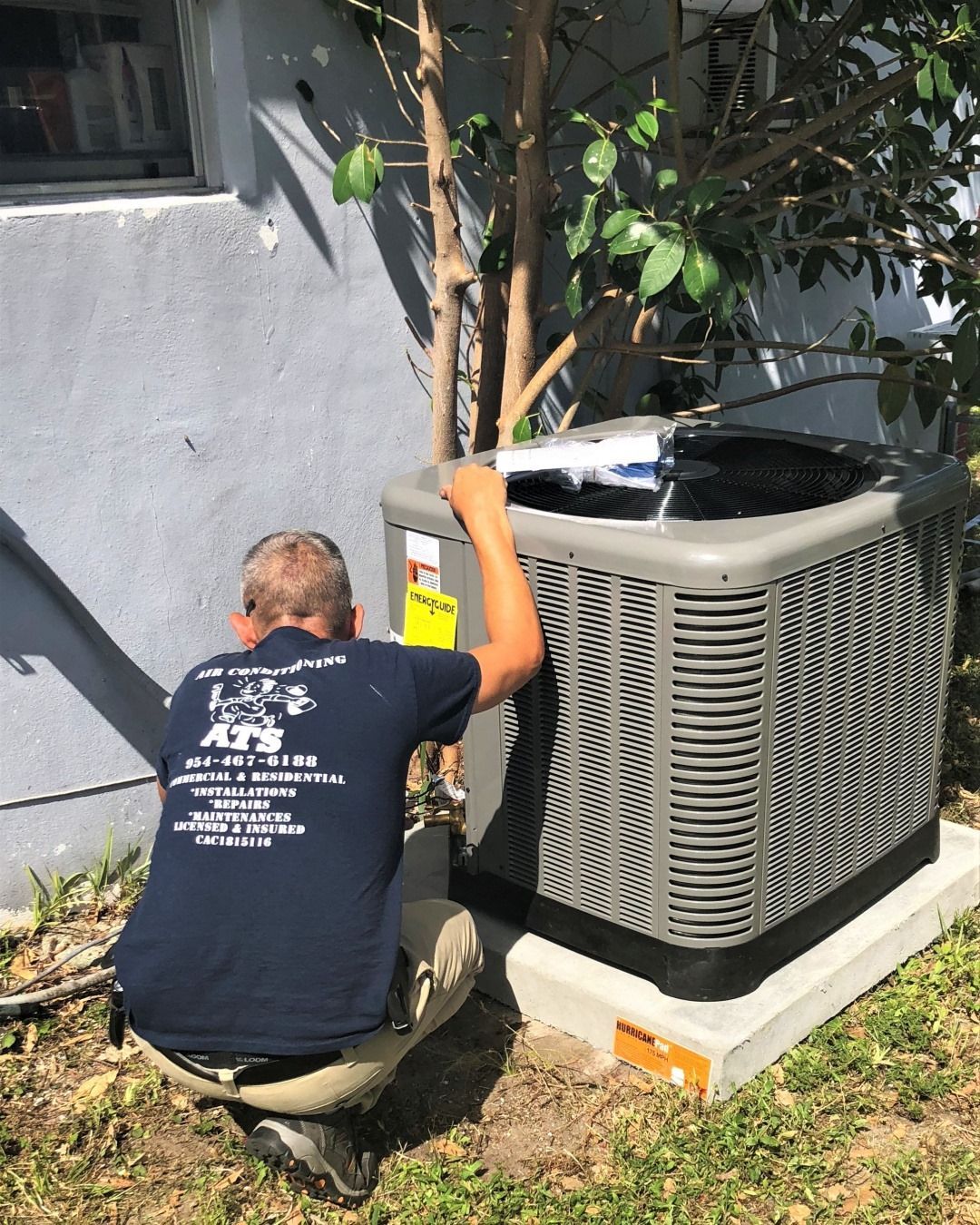
At America's Technical Service, Inc, HVAC performance in commercial environments is approached with precision, accountability, and long-term reliability in mind. Complex systems such as package units and rooftop units demand consistent attention, and structured maintenance practices ensure these systems continue to operate at peak efficiency throughout demanding operational cycles. Every service approach is designed to reduce energy waste, improve airflow stability, and extend equipment lifespan across commercial infrastructures.
With over 20 years of experience in HVAC systems, advanced diagnostic methods are applied to identify inefficiencies before they develop into costly breakdowns. From routine inspections to preventive servicing, every process is built around operational continuity and system dependability. Commercial buildings benefit from optimized performance, reduced downtime, and improved energy control through disciplined maintenance strategies.
Every project is handled with a focus on technical accuracy and long-term system health. Package units and RTUs are maintained with a structured methodology that supports consistent cooling performance and balanced system load distribution. The commitment remains centered on delivering reliable HVAC solutions that strengthen building efficiency, reduce operational strain, and support sustainable energy practices across commercial environments in Fort Lauderdale, Florida.