Improving Indoor Air Quality: The Role of Filtration Systems in a Healthier Home
Indoor air quality (IAQ) is increasingly recognized as a crucial factor affecting health, comfort, and overall well-being. With modern lifestyles keeping people indoors for significant portions of the day, the quality of the air inside homes has become just as important as the air outside. Contaminants such as dust, pollen, mold spores, volatile organic compounds (VOCs), and microscopic pathogens can accumulate in indoor environments, leading to a variety of health issues ranging from minor irritations to chronic respiratory conditions. Understanding and addressing these risks is essential for creating a safe and healthy living space.
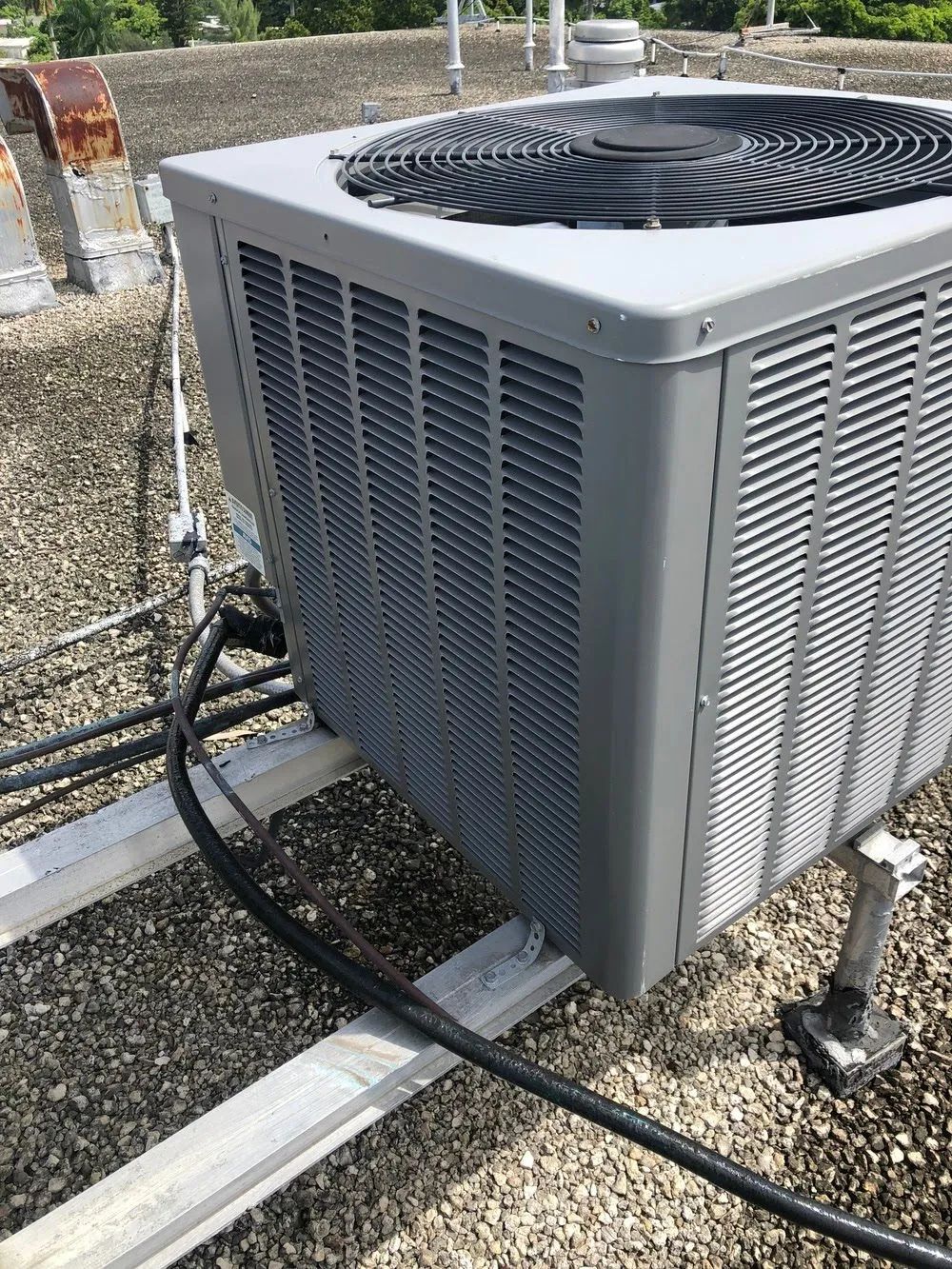
Filtration systems play a pivotal role in maintaining and improving indoor air quality. By efficiently capturing airborne particles and pollutants, these systems reduce exposure to harmful substances and help create a cleaner environment. They are a fundamental component of modern HVAC (heating, ventilation, and air conditioning) systems and are available in a variety of types and efficiency levels to suit diverse home needs. This blog will explore how filtration systems work, their benefits, challenges, best practices for implementation, and expert insights to ensure homeowners can make informed decisions for healthier indoor environments.
Understanding Indoor Air Pollution
Common Indoor Air Pollutants
Indoor air can harbor numerous pollutants, often originating from both internal and external sources. Common contaminants include dust, pollen, pet dander, mold spores, bacteria, and viruses. Household activities, such as cooking, cleaning, and using chemical-based products, release additional pollutants, including VOCs. External factors, like vehicle emissions, industrial pollutants, or pollen entering from outside, can also degrade indoor air quality. Understanding these pollutants’ presence and effects is the first step toward effective filtration.
Health Implications
Prolonged exposure to indoor pollutants can trigger respiratory issues such as asthma, allergies, and chronic obstructive pulmonary disease (COPD). Children, the elderly, and individuals with pre-existing conditions are particularly vulnerable. Beyond physical health, poor indoor air quality can impact mental well-being, causing fatigue, headaches, and reduced concentration. Recognizing these risks highlights the need for proactive solutions, with filtration systems emerging as one of the most effective approaches to minimizing airborne contaminants.
How Filtration Systems Work
Types of Filtration Systems
Filtration systems vary in design and efficiency, catering to different home environments:
- Mechanical Filters – These filters, such as pleated and fiberglass filters, physically trap particles as air passes through. Efficiency is rated using the Minimum Efficiency Reporting Value (MERV), which ranges from 1 to 20, with higher ratings capturing smaller particles.
- HEPA Filters – High-Efficiency Particulate Air (HEPA) filters are designed to capture at least 99.97% of particles as small as 0.3 microns, including dust, pollen, and some bacteria. They are commonly used in homes with high allergy or asthma concerns.
- Electronic Air Cleaners – These systems use electrostatic charges to attract and capture airborne particles. They are effective for fine particles and can reduce the need for frequent filter replacements.
- Activated Carbon Filters – Primarily used to remove odors, smoke, and VOCs, these filters complement particulate filters by targeting gaseous pollutants.
Filtration Mechanisms
Filtration systems operate on principles of interception, impaction, diffusion, and electrostatic attraction. Larger particles are trapped through impaction or interception, while microscopic particles rely on diffusion or electrostatic forces. A combination of these mechanisms ensures that a well-designed system can address a wide spectrum of pollutants, improving overall indoor air quality.
Benefits of Using Filtration Systems
Health and Wellness
The most significant benefit of filtration systems is the improvement of health outcomes. By reducing airborne allergens, bacteria, and viruses, these systems decrease the incidence of respiratory conditions and allergic reactions. For households with children, elderly individuals, or immunocompromised residents, filtration can provide critical protection against potentially harmful pathogens.
Enhanced Comfort and Home Environment
Beyond health, filtration systems contribute to overall comfort by reducing dust accumulation and controlling odors. Homes feel cleaner, and occupants experience fewer symptoms like sneezing, coughing, or irritation. Clean air also supports better sleep quality and overall productivity, enhancing daily living experiences.
Protection of HVAC Systems
Filtration systems also play a protective role for HVAC units. By capturing dust and debris before it reaches critical components, filters prevent system clogging, reduce wear and tear, and improve energy efficiency. This not only prolongs the lifespan of the equipment but also reduces maintenance costs, making filtration a cost-effective solution for long-term home management.
Choosing the Right Filtration System
Assessing Air Quality Needs
Not every home requires the same filtration solution. The choice depends on factors such as the number of residents, existing health conditions, local air quality, and household activities. Homes with pets or high traffic from outdoors may need filters with higher MERV ratings or HEPA systems, while residences in areas with chemical pollution may benefit from activated carbon filters.
Evaluating Filter Efficiency and Ratings
Filter efficiency is typically measured using MERV or Clean Air Delivery Rate (CADR). A higher MERV rating indicates greater filtration capability, but extremely high MERV filters can reduce airflow if the HVAC system is not designed for them. CADR values indicate how quickly and efficiently the filter cleans the air, providing a practical measure for homeowners comparing different options.
Integration with Existing HVAC Systems
Proper integration with existing HVAC systems is critical. Filters must fit correctly, and airflow must be maintained to ensure optimal performance. Professional assessment ensures the selected filter matches system capacity and ventilation needs, maximizing both air quality and system efficiency.
Best Practices for Maintaining Filtration Systems
Regular Inspection and Replacement
Filters lose efficiency as they accumulate debris. Regular inspection, typically every 1–3 months depending on filter type and household conditions, is essential. Replacing filters promptly prevents reduced airflow, system strain, and diminished air quality. Setting a schedule for inspection ensures consistent performance and prolongs the life of both the filter and HVAC system.
Cleaning and System Maintenance
For reusable filters or electronic air cleaners, regular cleaning is necessary. Accumulated dust and debris can decrease effectiveness and even harbor microorganisms if neglected. Additionally, ensuring the HVAC system itself is serviced regularly – including ducts, coils, and vents – supports the optimal performance of the filtration system.
Monitoring Indoor Air Quality
Homeowners can also use air quality monitors to track pollutant levels and assess filtration performance. These devices provide real-time feedback on particulate matter, VOCs, and humidity, guiding timely maintenance and adjustments. By pairing monitoring with professional inspections, homes maintain consistently high air quality levels.
Expert Recommendations
Experts recommend combining filtration with other strategies, such as proper ventilation, humidity control, and routine cleaning, to maximize benefits. Filtration is most effective when integrated into a holistic approach to indoor air quality management, ensuring that the system complements natural airflow and environmental control strategies.
Overcoming Challenges with Filtration Systems
Balancing Efficiency and Airflow
High-efficiency filters, while effective, can impede airflow if the HVAC system is not designed for them. This can lead to increased energy consumption and potential system strain. Professional assessment ensures the chosen filter meets the home’s air quality goals without compromising system performance.
Cost Considerations
Advanced filtration systems, particularly HEPA or electronic air cleaners, involve higher upfront and maintenance costs. However, the long-term health benefits, reduced allergy symptoms, and HVAC protection often outweigh initial expenses. Homeowners should consider total cost of ownership, including filter replacements, cleaning, and energy consumption.
Addressing Specific Contaminants
Certain pollutants, such as VOCs or smoke, may require specialized filters like activated carbon or hybrid systems. Identifying the specific contaminants present in the home allows for a tailored approach, ensuring that the system effectively addresses the unique air quality challenges faced by each household.
Real-World Example
A homeowner in an urban area near heavy traffic may experience persistent odors and fine particulate matter. Installing a combination HEPA and activated carbon system significantly reduces exposure to pollutants, improves overall comfort, and complements other measures like sealing windows and controlling ventilation, showcasing a practical solution to a complex challenge.
Integrating Filtration with Holistic Home Health
Combining Filtration with Ventilation
While filtration removes contaminants, proper ventilation ensures a consistent supply of fresh air. Mechanical ventilation systems with energy recovery ventilators (ERVs) or heat recovery ventilators (HRVs) exchange indoor and outdoor air efficiently, reducing indoor pollutant accumulation while maintaining energy efficiency.
Controlling Humidity and Moisture
Humidity and moisture control work hand-in-hand with filtration to prevent mold growth. High humidity encourages microbial proliferation, which can evade filters. Maintaining indoor humidity levels between 30–50% supports filtration efficiency and overall indoor health.
Routine Cleaning and Source Control
Filtration alone is insufficient if pollutants continue to accumulate unchecked. Regular cleaning, vacuuming with HEPA-equipped vacuums, and minimizing chemical pollutants complement filtration, creating a comprehensive approach to indoor air quality management.
Professional Indoor Air Solutions from Trusted HVAC Experts
For residents in Fort Lauderdale, Florida, seeking professional solutions to improve indoor air quality, America's Technical Service, Inc offers over 20years of expertise in HVAC systems and filtration solutions. Our team understands the challenges homeowners face in maintaining clean and healthy indoor air, from seasonal allergens to persistent pollutants. We provide tailored assessments, recommend optimal filtration systems, and ensure proper installation to maximize efficiency and air quality benefits.
Our services extend beyond installation. We provide ongoing support, maintenance, and education to ensure systems operate at peak performance. By integrating advanced filters, including HEPA and activated carbon, with ventilation and humidity control strategies, we deliver a holistic approach to indoor air management. Homeowners benefit from reduced respiratory irritations, enhanced comfort, and longer-lasting HVAC systems.
At America's Technical Service, Inc, we pride ourselves on our professionalism, reliability, and commitment to creating healthier homes. Residents can trust our experienced technicians to offer solutions backed by decades of industry knowledge, ensuring that every home enjoys cleaner, safer air and a truly healthier living environment.