Salt Air Corroding Your AC Coils? What Coastal Homes Need to Watch For
Quick Answer: Salt air corrodes AC coils because microscopic salt particles land on the aluminum fins and copper tubing outside your unit and set off a chemical reaction that eats through metal from the surface inward. In South Florida, that process doesn't take a break in the off-season, because there isn't one, so coastal systems usually need coil attention and inspection more often than the standard twice-a-year schedule most owner's manuals assume. Left alone, corrosion shows up first as weaker cooling, then as pinhole refrigerant leaks and flaky electrical connections inside the unit.
Your Zip Code Changes the Math on Corrosion
Every outdoor AC unit deals with some corrosion eventually. Humidity, rain, everyday grime, it all adds up over the years. What's different along the coast is chloride, the salt component that turns ordinary oxidation into something meaner. Chloride ions are small enough to work into the microscopic pores of a protective coating, and once they're in, the reaction keeps going long after the surface looks bone dry.
You don't need a direct ocean view for this to matter. Canals running through Fort Lauderdale, Hollywood, and Pompano Beach carry brackish water inland, and onshore breezes push fine salt particulate well past the immediate waterfront. Two identical units on the same street, one facing the water and one turned away from it, can show noticeably different corrosion after a few years. We've pulled cabinets off units barely a block from a canal that looked a decade older than their actual age.
The upshot: a maintenance interval built for a drier, inland climate doesn't hold up here. Your coil, cabinet, and the electrical components tucked inside the outdoor unit are working against a corrosive load most manufacturers never designed the standard warranty period around.
What's Actually Happening to the Metal
Salt air corrosion isn't one single process. Different parts of the unit fail in different ways, and knowing the difference helps you understand what a technician is actually checking for.
Fin Corrosion
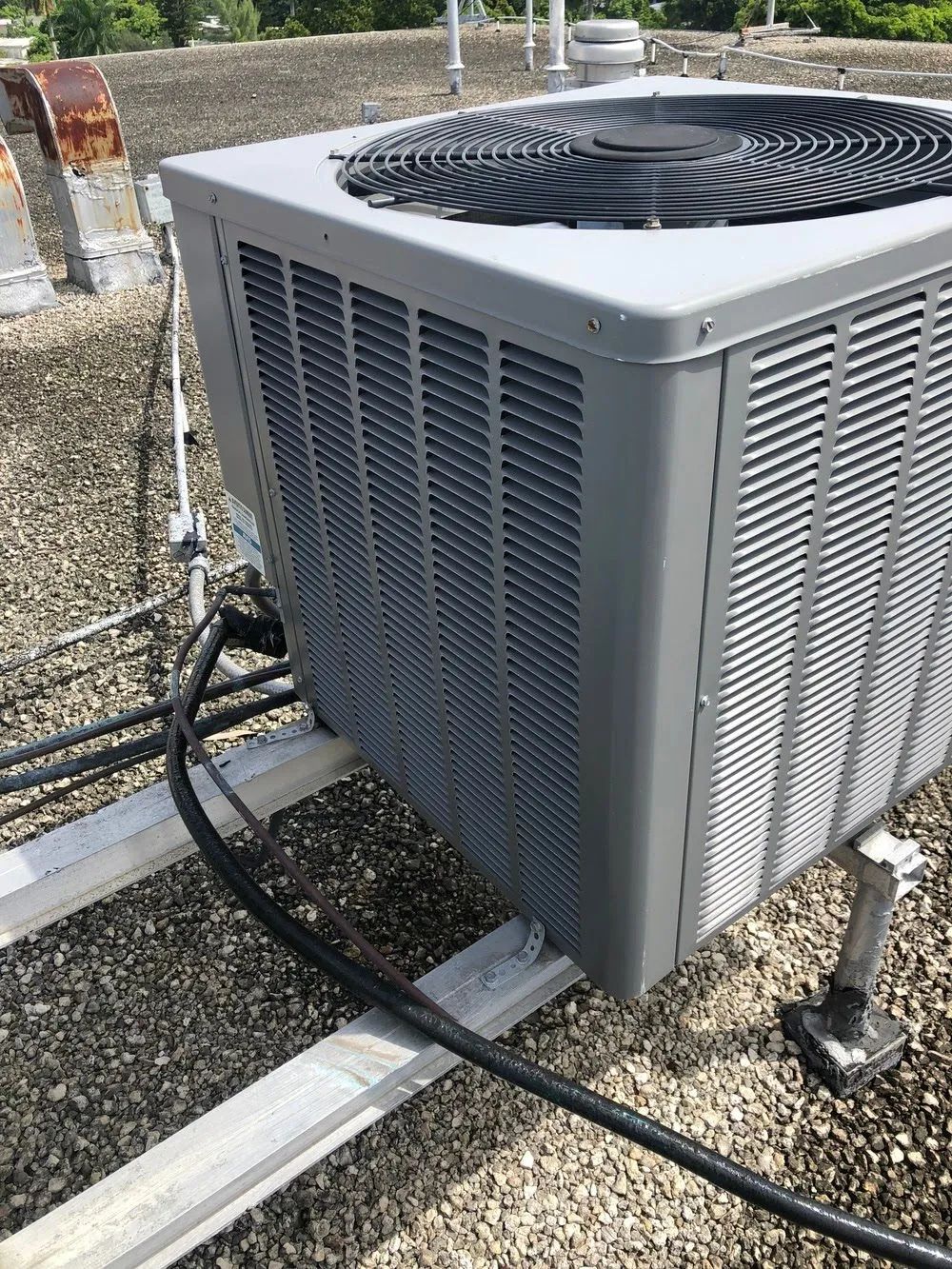
Aluminum condenser fins are intentionally thin for efficient heat transfer, but that makes them vulnerable. Contact with copper tubing, combined with salty moisture, creates galvanic corrosion. Over time, fins become brittle, crumble, collapse, and restrict airflow, forcing the system to work harder.
Copper And Aluminum Tubing
Salt exposure can cause pitting corrosion in copper and aluminum tubing, creating small, deep holes that eventually penetrate refrigerant lines. These leaks may develop slowly and remain difficult to notice initially. As refrigerant escapes, cooling capacity decreases and compressor strain increases.
Electrical Connections And Contactor Points
Salt deposits can reach terminal connections, contactor points, and capacitor terminals inside the control compartment. Corrosion increases electrical resistance, producing heat that accelerates further corrosion. Eventually, connections may weaken, causing electrical failures, nuisance breaker trips, unreliable operation, or complete system shutdown.
Cabinet And Hardware
Coastal moisture causes painted steel cabinets, zinc-plated screws, and mounting hardware to corrode faster. Once protective coatings fail, rust spreads across exposed areas. Corroded panels may lose their proper seal, allowing additional moisture and debris inside, accelerating deterioration throughout the equipment.
Tip: Rinsing the outdoor unit with a garden hose, top to bottom, every few weeks during peak cooling season makes a real difference. Plain fresh water at normal hose pressure does the job, never a pressure washer, since forceful spray bends the fins you're trying to protect. Kill power to the unit first, rinse gently through the fins from the inside out where you can reach, and let it air dry before restarting.
Reading the Early Warning Signs
Corrosion rarely shows up with a sudden failure. It builds slowly, and the early signs are easy to write off as cosmetic if you don't know what you're looking at.
Discoloration or a chalky residue on the fins is one of the clearest tells. A white or greenish powdery buildup on aluminum fins is often a corrosion byproduct, not just dirt. If a rinse doesn't clear it and it's back within a few weeks, the reaction is active, not just surface grime.
A gradual drop in cooling performance with no obvious cause is another. If your system seems to run longer to hit the same setpoint, or the air coming out doesn't feel quite as cold as it used to, reduced heat transfer from corroded fins or an early refrigerant leak from pitted tubing are both common, quiet culprits behind it.
Visible rust on the cabinet or base pan matters too, and not just for looks. Once a panel's protective coating is compromised in one area, moisture works its way behind it, and that spot becomes a weak point for further corrosion and eventual structural failure of the panel itself.
Frequent minor electrical faults round out the list. Nuisance trips, a capacitor that needs replacing sooner than you'd expect, a contactor that seems to stick, these can all trace back to corroded connections rather than one single bad part.
None of these signs mean your unit is failing tomorrow. They mean the corrosion has moved from the surface into something that's starting to affect performance, and it's worth a closer look before it goes further.
How Far Inland the Risk Actually Reaches
A lot of homeowners assume salt air corrosion only touches houses right on the water. It reaches further than that. Onshore winds carry fine salt particulate well beyond the immediate waterfront, and the risk doesn't drop off sharply until you're several miles in. Homes throughout Fort Lauderdale, Hollywood, and Pompano Beach, even the ones set well back from any canal or the coastline, still see measurably faster corrosion on outdoor units than comparable systems further west toward Coral Springs, Sunrise, or Plantation.
Storms complicate the picture. A single major weather event can dump a concentrated dose of salt spray on outdoor units well beyond their usual daily exposure zone. That's why a rinse-down after any significant coastal storm is worth doing even if your home isn't normally in the highest-risk band.
What Coastal-Rated Equipment Actually Includes
If you're staring down a replacement instead of a repair, it helps to know what actually separates a standard condenser from one built for salt air, since spec-sheet language rarely spells it out clearly.
Coated coils come first. Manufacturers offer factory-applied protective coatings on the fins, and in some cases the full coil assembly, that act as a barrier between the bare metal and whatever salt film would otherwise sit directly on it.
Corrosion-resistant hardware matters more than people expect. Stainless steel or composite screws, brackets, and fasteners hold up where standard zinc-plated hardware corrodes fast this close to the coast.
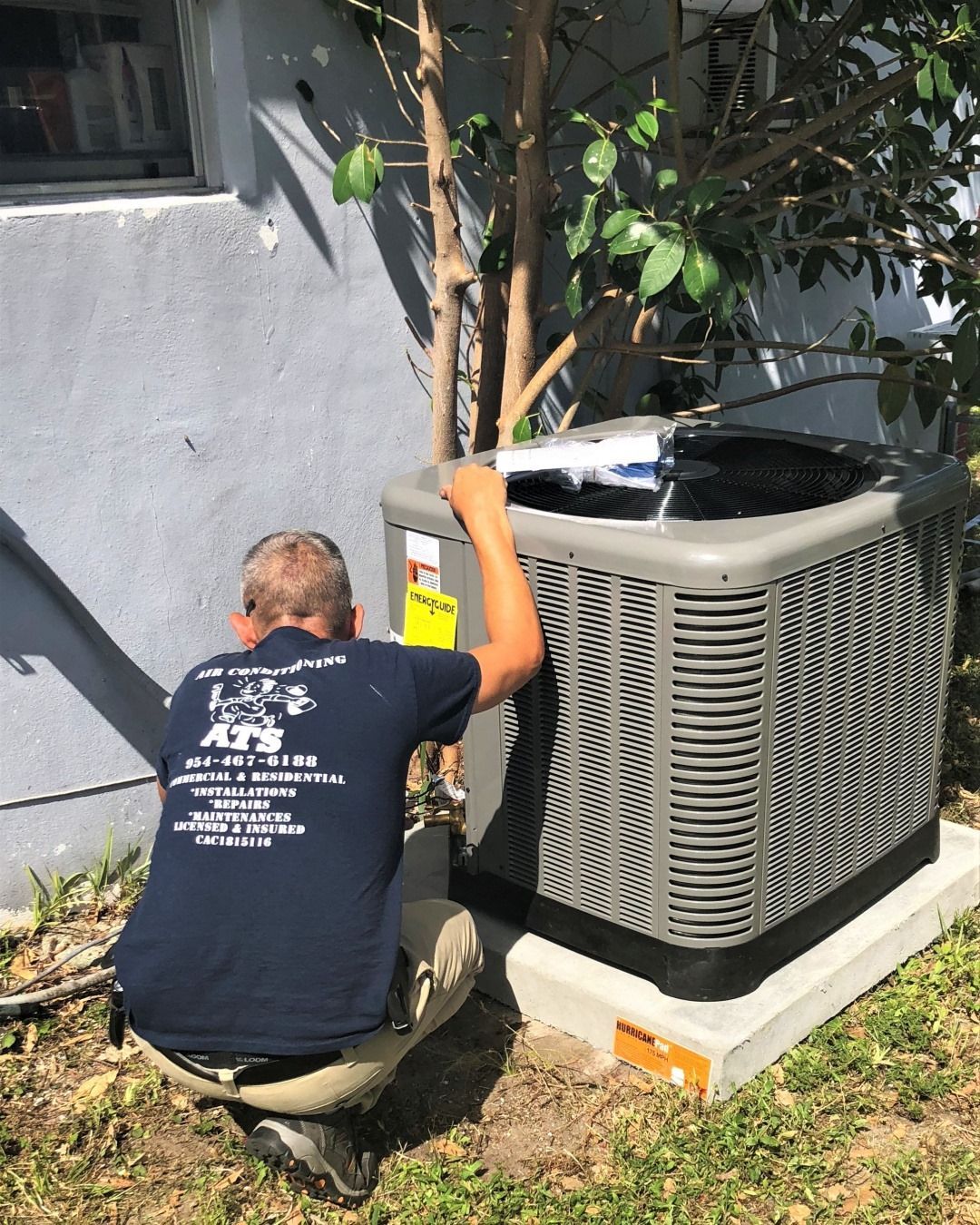
Raised mounting helps too. Setting the unit on a properly sized pad cuts exposure to standing water and storm surge, and keeps the base pan and lower cabinet further from ground-level moisture and debris.
Sealed electrical compartments round out the list. Some coastal-rated units include tighter sealing around the control compartment specifically to keep salt-laden air away from the terminals and contactor.
Not every unit marketed for Florida checks every one of those boxes. Ask specifically about coil coating and cabinet hardware when you're comparing options, rather than assuming "built for Florida" on the label covers all of it.
What a Technician Checks on a Coastal-Focused Visit
A standard tune-up covers the basics. A visit focused on corrosion in a coastal home goes further. Here's what we'd typically look at.
Coil condition, top to bottom
Beyond a general cleaning, this means checking for early pitting, discoloration patterns that suggest active corrosion, and fin degradation that's starting to choke airflow, not just visible dirt on the surface.
Refrigerant charge and pressures
Pitting corrosion can cause a slow leak long before it's visible anywhere, so checking actual pressures against what the system should be running catches a developing leak before it drags the compressor down with it.
Electrical terminals and contactor points
Connections get checked for early corrosion buildup, resistance issues, and pitting on the contact surfaces, since these tend to fail quietly instead of announcing themselves.
Cabinet and base pan integrity
Panels, seams, and the base pan get inspected for coating breakdown and the start of structural rust, especially on older units that have gone a few seasons without this level of attention.
Fastener and hardware condition
Hardware that's starting to corrode gets flagged. Swapping out a handful of screws and brackets now is a much smaller job than dealing with a panel that's already failed.
Warning: Skip the bleach-based cleaners and aggressive acid coil cleaners on an outdoor unit near the coast unless you know exactly what they're compatible with. Some of these products strip a protective coil coating or speed up corrosion on aluminum that's already compromised, and that turns a routine cleaning into the thing that pushes a marginal coil into failure. Plain water is safe for routine upkeep between visits. Anything stronger belongs with a technician who can confirm it's right for your specific coil.
Building a Maintenance Rhythm That Matches Where You Live
The right service interval depends on how close you actually are to the water, not on a blanket rule for South Florida as a whole. A unit a block from a canal is fighting a heavier daily salt load than one a few miles inland, even in the same city. Rather than guessing, have a technician assess your specific location and exposure the first time they're out, then build a schedule around that instead of a generic twice-a-year default.
Between visits, the habits that matter most are the unglamorous ones. Rinse the unit regularly. Keep landscaping and mulch pulled back from the base so it isn't sitting in constantly damp ground. Pay attention the moment performance starts to drift, even slightly, from what you're used to. Salt air corrosion moves slowly, which means steady, boring attention over the years is what actually protects the system, not any single fix.
Frequently Asked Questions
How much faster does salt air actually shorten an AC unit's lifespan?
It depends on distance from the water and how consistently you rinse and maintain the unit. Coastal units without protection often show corrosion within a couple of years, needing major repairs sooner than inland systems.
Does rinsing the unit myself replace the need for professional maintenance?
No. A regular rinse clears surface salt and slows buildup, but it doesn't reach what's happening inside the coil, refrigerant circuit, or electrical compartment. It buys time between professional visits, but it doesn't replace them.
Is it worth upgrading to coastal-rated equipment on a system that isn't due for replacement yet?
If your coil shows corrosion, a coating from a technician can extend its life in some cases. For a system nearing the end of its run, adding coastal-rated features to the next install makes sense.
Can salt air corrosion cause a system to fail without any warning signs first?
Rarely. Most coastal corrosion failures follow a pattern: declining performance, fin discoloration, or minor electrical issues, before a major component gives out. Those early signs give a technician time to act before real damage occurs.
Does living near a canal instead of directly on the ocean still put my AC at risk?
Yes. Brackish canal water and the breezes crossing it carry enough salt to speed corrosion on nearby outdoor units, even away from the coastline. Distance from saltwater is what matters, not distance from the ocean.
Protecting Your Coastal AC System Long Term
Salt air doesn't announce itself the way a storm does. It works quietly, through fins, tubing, and terminals, wearing away protection long before a homeowner notices anything wrong. That's the nature of coastal corrosion: slow, cumulative, and easy to dismiss as ordinary wear. Recognizing the early signs, chalky residue, weakening airflow, connections that fail more often than they should, gives you a real window to act before a small issue becomes a compressor replacement or a refrigerant leak that's already done its damage.
For homes throughout Fort Lauderdale, FL and the surrounding coastal communities, that kind of attention pays off over the life of a system, not just in a single season. America's Technical Service, Inc
has spent 20
years watching how salt exposure plays out on real equipment, and that experience shapes what a coastal focused visit actually checks for. A system built and maintained with these conditions in mind tends to run longer, cost less to keep, and fail less often when it matters most.