AC Died in the Middle of the Night? The 3 Things to Check Before Calling
Quick Answer: When your AC dies in the middle of the night, check three things before you call. First the thermostat, making sure it is set to cool, the screen is lit, and the batteries are good. Second the power, which means the breaker, the outdoor disconnect, and the condensate float switch that shuts the system off when the drain pan fills. Third the airflow, since a clogged filter can freeze or overheat a system into shutting itself down. If all three look fine, or the breaker trips right back off, stop there and have it diagnosed rather than forcing it.
You go to bed with the house comfortable and wake up at two in the morning already sweating, the air still, the vents silent. It is the middle of the night, the outdoor temperature barely dropped, and the humidity is doing what it always does here. Your first instinct is to grab the phone, but before you do, there are three things worth checking yourself. Two of them take about a minute each, and any one of them can explain why a system that ran all day suddenly went quiet after dark.
None of this requires tools or taking anything apart. It is the same short list an experienced technician runs through mentally before pulling gauges, and walking it yourself can either get the cool air back or, just as usefully, tell you the problem is past a homeowner fix so you are not standing at the breaker panel guessing. Here is what to look at, in the order that catches the most problems fastest.
Why a System That Ran All Day Quits After Dark
It rarely feels random, and it usually is not. Through a South Florida summer, an air conditioner runs ten to twelve hours a day, sometimes more, fighting heat and humidity that barely let up overnight. That constant load is hard on the electrical parts especially, and a component that was already worn tends to give out after a long stretch of running rather than at a convenient moment.
So the middle-of-the-night failure is often the end of a slow decline you could not see. A capacitor that had been weakening for weeks finally cannot start the compressor. A drain line that had been draining slower and slower finally backs up and trips a safety switch. A filter that got a little dirtier each week finally chokes off enough airflow to freeze the coil. The timing feels sudden, but the cause has usually been building. That is also why the checks below matter: several of them catch exactly these slow-building problems.
Thing One: Start at the Thermostat
It sounds almost too simple, but the thermostat is the command center for the whole system, and it is the single most common reason a working air conditioner looks broken. Start here every time.
Confirm it is actually calling for cooling
Verify the thermostat is set to cool and the temperature is several degrees below the current room reading. An incorrect setting or accidental adjustment can prevent the air conditioner from starting, even when everything else works.
Check the display and the batteries
A blank thermostat screen often means dead batteries or lost low-voltage power. Replace the batteries first, then confirm the display responds. This quick check can restore operation before assuming the air conditioner itself has failed completely.
Rule out a stray schedule or hold
Programmable and smart thermostats may follow schedules or temporary holds that override your preferred setting. Check for active schedules, remove unwanted holds, and reboot the thermostat if needed to restore normal communication and cooling operation.
Thing Two: Follow the Power to the Unit
If the thermostat is set right and lit up but nothing happens, the next question is whether the equipment is actually getting power. An air conditioner draws a lot of current, and there are three separate spots where that power can be cut.
The breaker in your main panel
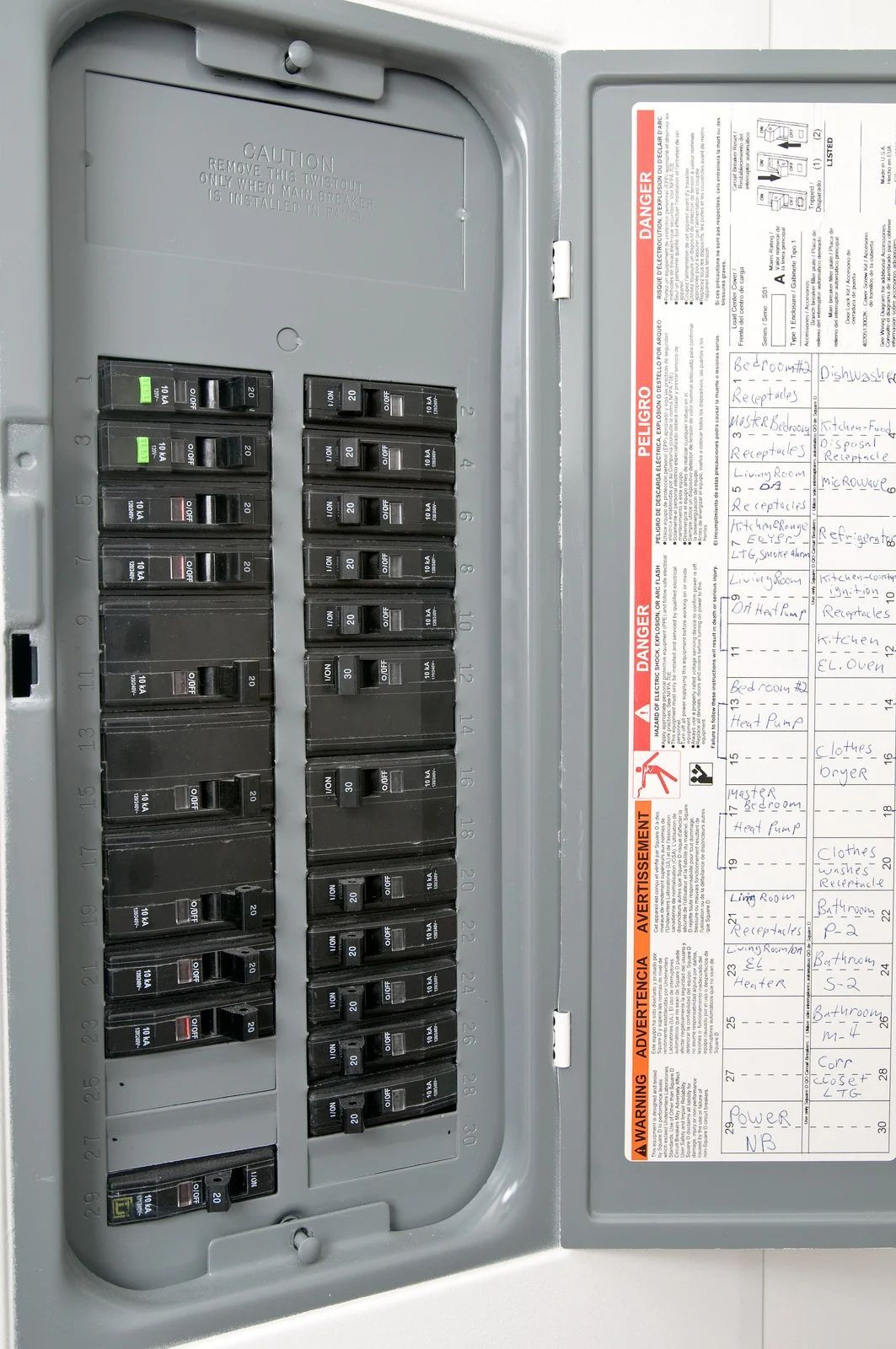
Check the breaker labeled AC or HVAC in your electrical panel. Reset it by switching fully off, then back on. If it trips again immediately, stop resetting it. Repeated trips indicate an electrical fault requiring professional diagnosis and safe repair.
The outdoor disconnect and the indoor switch
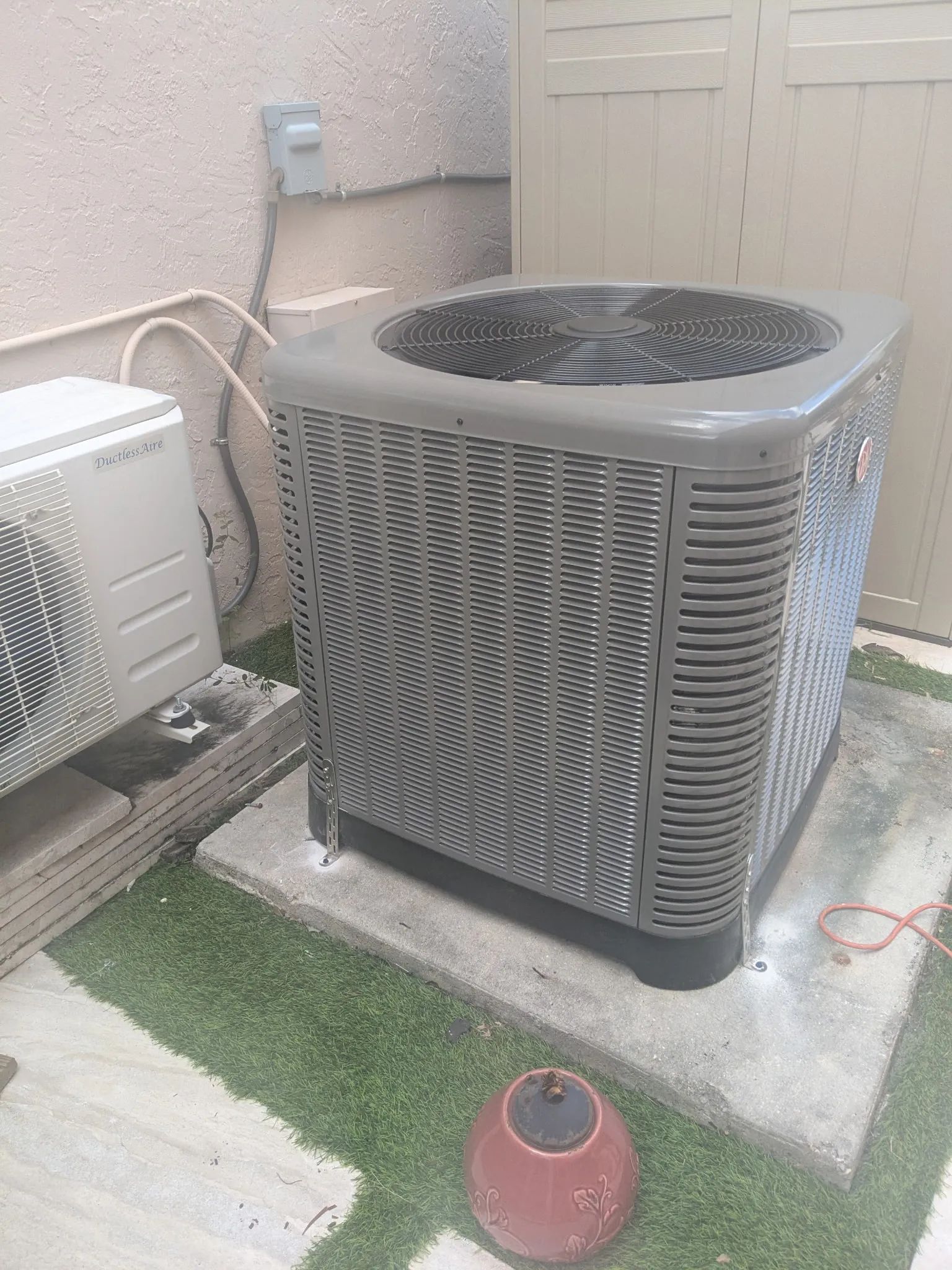
Verify the indoor air-handler switch and outdoor disconnect are both turned on. A blown disconnect fuse can leave the indoor blower operating while preventing the condenser from running, resulting in airflow without cooling throughout your home despite the system appearing active.
The condensate float switch
A clogged condensate drain line can fill the drain pan and activate the float switch, shutting the air conditioner down to prevent water damage. Check for standing water beneath the air handler. Clearing the drain often restores normal cooling system operation.
Tip: Before you touch anything, notice the pattern and jot it down. Did the outdoor unit go silent while the indoor blower kept running, or did everything stop at once? Is there water in the drain pan, ice on the lines, or a smell? Those details point a technician straight at the cause and save real diagnostic time if you do end up needing a visit.
Thing Three: Check the Airflow
The third thing is airflow, because a system starved of it will often shut itself down to avoid damage, and the trigger is usually cheap and easy to see.
Pull the filter and hold it up to a light
Remove the return air filter and hold it toward a light source. If light cannot pass through, replace it immediately. A clogged filter restricts airflow, reduces cooling performance, and can eventually freeze the evaporator coil or trigger protective system shutdowns.
Look for ice on the coil or the refrigerant lines
Ice on the evaporator coil or refrigerant lines signals restricted airflow or low refrigerant. Turn cooling off, switch the fan on, and allow everything to thaw completely. Continuing operation while frozen can damage important air conditioning components unnecessarily over time.
Make sure the vents and returns are open
Walk through your home and confirm supply vents and return grilles remain fully open and unobstructed. Furniture, rugs, or closed registers can restrict airflow enough to reduce cooling performance, increase system strain, and contribute to evaporator coil freezing problems.
The One Restart Worth Trying, Done Right
If the thermostat, power, and airflow all check out and you want to attempt a restart, do it once and do it correctly. Turn the thermostat off. Go to the panel and switch the AC breaker off. Then wait a full thirty minutes, not five, not ten. That pause lets the internal pressures in the compressor equalize so it can start cleanly instead of straining against itself. After thirty minutes, flip the breaker back on, wait a few more minutes, and set the thermostat back to cool.
If the system starts and runs normally, watch it for the next hour. One patient restart is reasonable. What you do not want to do is stand there flipping the breaker over and over. Repeated forced restarts without fixing the underlying problem can damage the compressor, which is the heart of the whole system, and that turns a small overnight annoyance into a much larger one.
Warning: If the breaker trips again within minutes of resetting, or you notice a burning smell, loud grinding or buzzing from the outdoor unit, ice on the lines, or water dripping near a vent, stop and shut the system off. Those are signs of a genuine electrical or mechanical fault, and continuing to reset or run the equipment through them risks both the system and, in the case of an arcing connection, your home. Leave it off and get it looked at.
Frequently Asked Questions
What are the first three things to check if my AC dies overnight?
First, confirm the thermostat is set to Cool and below room temperature. Next, check the breaker, outdoor disconnect, and power supply. Finally, inspect the air filter for restrictions. These simple steps solve many common overnight air conditioning problems before service.
Is it safe to keep resetting the breaker until the AC comes back on?
No. Repeated breaker resets can overheat wiring and signal a serious electrical fault. Reset the breaker once only. If it trips again immediately, leave it off and schedule professional service to diagnose the underlying electrical or equipment problem safely.
Why did my AC quit at night when it ran fine all day?
Long hours of summer operation gradually weaken components until one finally fails. Worn capacitors, clogged drain lines, dirty filters, or overheating parts often reach their breaking point after extended daytime use, making the overnight shutdown seem sudden despite developing gradually.
The indoor fan is blowing but the air is not cold. What does that mean?
Warm airflow with the indoor fan running usually means the outdoor unit cannot start or lacks power. Common causes include a failed capacitor, blown disconnect fuse, or tripped breaker. If outdoor power appears normal, professional diagnosis is the next appropriate step.
There is water in the pan under my air handler. Is that why it shut off?
Yes, possibly. A clogged condensate drain allows water to fill the drain pan until the float switch shuts the system down. Clearing the blockage often restores operation, but repeated clogs indicate the drain line needs thorough professional cleaning and inspection.
How long should I wait before restarting the system?
Wait at least thirty minutes after shutting the system off before restarting it. This allows compressor pressures to equalize, reducing startup strain. If the unit immediately shuts down again or trips the breaker, stop restarting and arrange professional service promptly.
Getting Cool Air Back Without the Guesswork
A middle-of-the-night failure feels like an emergency, and in a Florida summer it is an urgent one, but it is not always a mystery. Most overnight shutdowns trace back to one of three things you can check in a few minutes: a thermostat that is not calling for cooling, power cut somewhere between the panel and the unit, or airflow choked off at the filter or a full drain pan. Walk that list before you do anything else. Either you get the cool air back on your own, or you learn the problem is deeper and you have already gathered the clues that make the fix faster.
When the three checks come up empty, or the breaker will not hold, or you see ice, water, or smell something burning, that is the line where do-it-yourself ends and a real diagnosis begins. A certified technician who has spent years restoring cooling to South Florida homes on exactly these nights can find the actual fault fast, and the right move then is to stop guessing and hand it over.
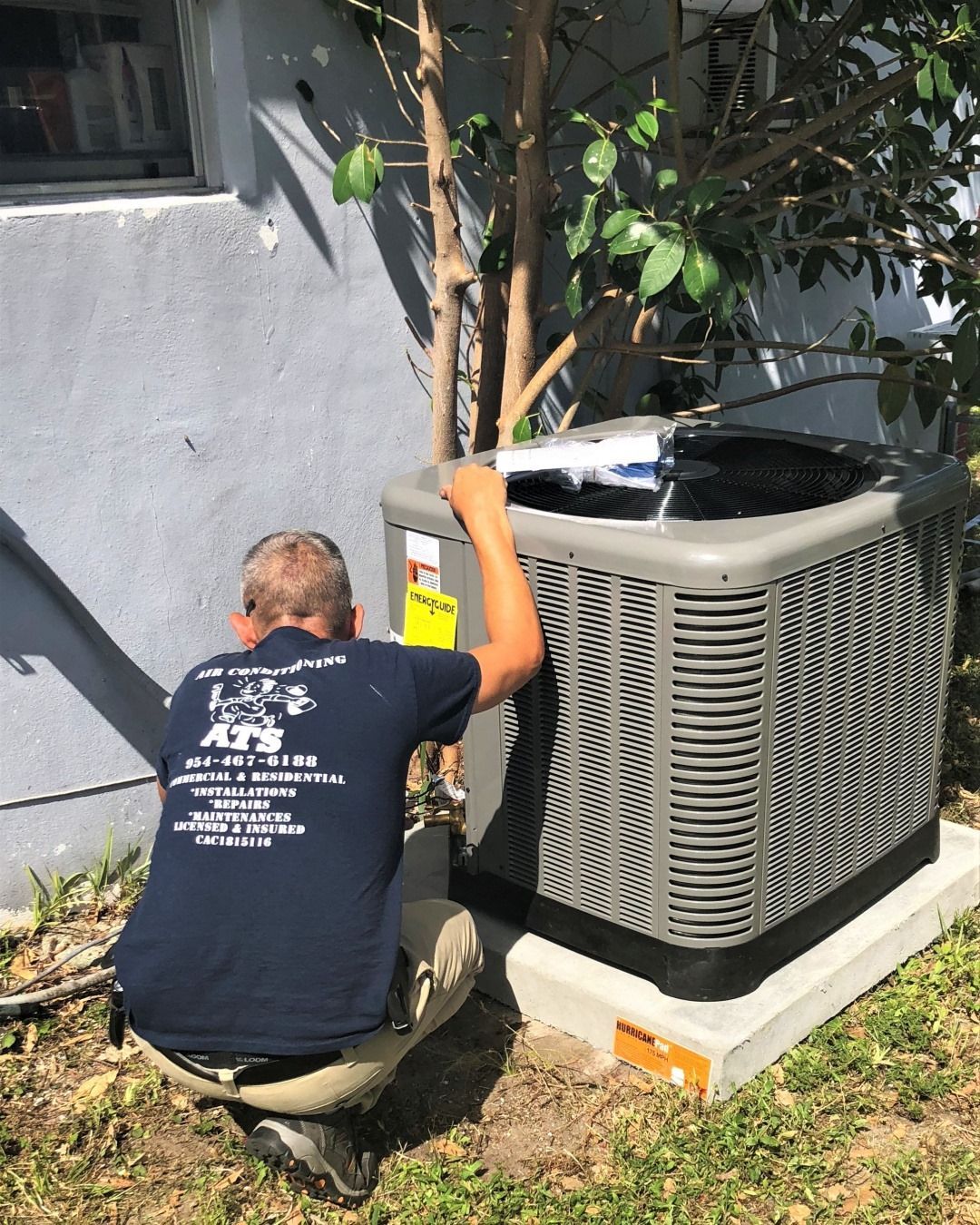
Schedule 24/7 emergency AC troubleshooting — When your air conditioner quits overnight and the thermostat, power, and airflow all check out, the problem is likely inside the system and requires professional diagnosis, not repeated resets. With 20 years of experience serving Fort Lauderdale, Florida, America's Technical Service, Inc tests capacitors, contactors, refrigerant levels, and electrical connections to identify the exact cause and restore dependable cooling. Reach out today to schedule 24/7 emergency AC service and get comfortable again without the guesswork.