AC Humming but the Compressor Won't Kick On? What's Usually to Blame
Quick Answer: When your AC hums but the compressor will not start, the cause is usually an electrical part that cannot give the compressor the push it needs to begin turning. A weak or failed capacitor is the most common reason, followed by a worn contactor, low incoming voltage, or a compressor that has seized mechanically. The hum is the motor trying to start and failing, and every second it hums adds heat to the windings. Shut the system off at the thermostat and the outdoor disconnect, then have a technician test the parts in order before anything gets replaced.
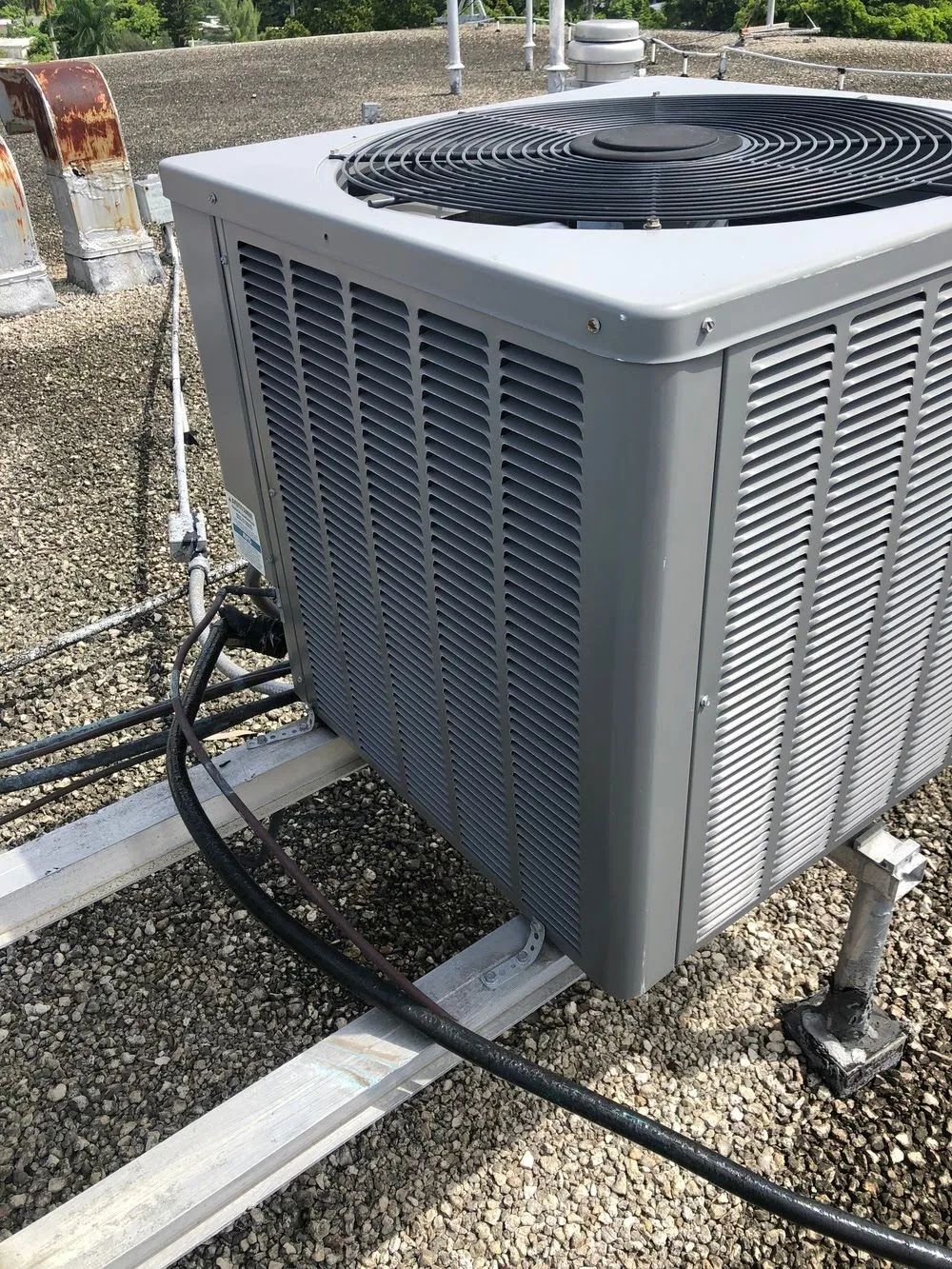
It is a sticky Saturday afternoon in July, the thermostat reads 82 degrees, and the house is getting warmer by the hour. You step outside and the condenser is humming. Maybe the fan is spinning, maybe it is not. Either way, the compressor, the part that actually moves refrigerant and makes the cold, is not running. The hum sounds like effort without result, and that is exactly what it is.
This is one of the more common no cool calls we see across Fort Lauderdale, Hollywood, and Pompano Beach, and it is one where what you do in the first ten minutes matters. A compressor that hums without starting is drawing a large burst of current and going nowhere with it. Left to keep trying, it can overheat the windings, trip the breaker, or finish off a motor that was only a cheap capacitor away from running fine.
Here is what is happening inside that outdoor unit, what the usual suspects are, and the order a good technician works through them.
Why a Compressor Hums Instead of Starting
A compressor motor needs far more electrical force to start than to keep running. Starting means getting the rotor moving against the weight of the piston or scroll and against any pressure still sitting in the system. Once it is spinning, the current drops back to a normal running level.
To get through that first moment, the system relies on a capacitor that stores energy and releases it as a boost to the motor windings. If that boost is weak or missing, the motor receives power and creates a magnetic field, but the rotor cannot break free. The result is a hum, sometimes a faint buzz, and sometimes a click as the overload device inside the compressor trips and resets.
During that failed attempt the motor sits in what technicians call a locked rotor condition. It pulls the highest current it ever will, for as long as it stays stuck. That is why a humming compressor is never something to leave running while you wait and see.
Electrical Cause Or Mechanical Cause
Nearly every humming compressor falls into one of two groups. Either the compressor is healthy and something upstream is failing to start it, or the compressor itself is stuck. The first group is common and usually repairable. The second is the one that leads to a compressor replacement conversation. The whole point of a proper diagnosis is to sort you into the right group before any part is changed.
The Usual Suspects, in the Order We Check Them
Technicians work from the easiest and most likely cause toward the hardest. That order saves you from paying for the wrong repair and protects the compressor from further stress.
The Capacitor
The capacitor is the first suspect for a simple reason. It is a small part that works hard, and South Florida heat is brutal on it. Outdoor units sit in direct sun, run for months with no real off season, and cook the capacitor from the inside. Over time its ability to hold a charge fades.
A dual run capacitor serves both the compressor and the condenser fan on many residential systems. When it weakens, you may see the fan sluggish or stopped and the compressor humming. When it fails completely, nothing starts. Some systems also use a separate start capacitor for extra starting force, and that one can fail even when the compressor is otherwise healthy.
A bulged top, an oily residue, or a split casing is a visible sign. But many failed capacitors look perfectly normal, which is why a technician tests the actual capacitance with a meter and compares it to the rating printed on the label. A reading that falls well below the rating means the part is done.
Why It Matters
A failed capacitor is the best possible outcome of a humming compressor. It is an inexpensive component, it takes a short visit, and replacing it often brings the system straight back.
The Contactor
The contactor is the heavy duty switch that sends line voltage to the compressor and fan when the thermostat calls for cooling. Inside are contact points that open and close thousands of times over the life of the system. Each time, a tiny arc slightly pits the surface.
When those contacts are worn, burned, or stuck partway, the compressor may receive only part of the power it needs. Sometimes it gets voltage on one leg but not the other, which produces a hum with no rotation. A contactor can also chatter or buzz on its own, so a technician checks whether the sound is coming from the switch or from the compressor.
What We Look For
itted or blackened contacts, a coil that clicks but does not pull in fully, and a voltage reading that drops across the contacts under load. Any of these means the part is not delivering full power downstream.
Tip: Before you call, look at the outdoor unit and note two things: whether the condenser fan is spinning, and whether the hum is steady or comes in clicks every few minutes. A fan that is dead along with a humming compressor points toward the capacitor. Clicking on a repeating cycle suggests the compressor's internal overload is tripping. Passing that detail along helps the technician arrive with the right parts.
Incoming Voltage
A healthy capacitor and contactor cannot help if the compressor does not receive enough voltage. Low line voltage makes starting harder, because the motor produces less torque exactly when it needs the most.
A technician measures voltage at the outdoor disconnect, both at rest and during a start attempt. As a general guide, the reading should stay within about 10 percent of the voltage listed on the compressor data tag. A large drop during starting suggests a loose connection, a damaged wire, a failing disconnect, or a supply problem that needs attention before the compressor sees another start attempt.
Loose lugs and burned terminals are more common than most owners expect, especially in coastal homes where salt air and moisture work on connections for years.
The Start Relay or Hard Start Kit
On some systems, a start relay or an added hard start kit helps the compressor over the hump. A hard start kit is a supplemental capacitor and relay that gives an extra boost at the moment of starting. If an existing one fails, the compressor may hum and stall.
It is worth being careful here. A hard start kit is sometimes added as a quick fix for a system that is not starting well, and it can hide the real cause. Before adding one, a technician confirms that the start capacitor is good, that the incoming voltage is adequate, and that the unit is wired correctly. If any of those are wrong, a kit only masks the problem for a while.
The Compressor Itself
If the capacitor, contactor, relay, and voltage all test good and the compressor still hums, the motor is the suspect. Two conditions cause this.
Mechanical Seizure
Worn parts, lost lubrication, or liquid refrigerant can prevent compressor rotation after prolonged overheating or inadequate refrigerant charge.
Winding Failure
Damaged motor windings can short or open, causing abnormal current draw or repeated breaker trips during compressor startup.
A technician checks winding resistance and insulation to ground to tell these apart. Seeing a compressor in this state does not always mean replacement is the only answer, but it does mean the conversation changes from a small repair to a decision about the system. Our compressor, motor, and component replacement work covers exactly this point, including matching the new part to your equipment and confirming it fits the system.
What You Can Safely Do Before the Technician Arrives
Most of this work belongs to a professional, but a few steps are safe and genuinely useful.
Turn The System Off
Set the thermostat to off and switch off the outdoor unit breaker. Repeated startup attempts generate heat and worsen compressor winding damage.
Check The Basics
Confirm cooling mode, thermostat demand, breaker status, and filter condition. Restricted airflow can cause freezing and other problems requiring further diagnosis.
Wait Before Restarting
Allow pressures to equalize before restarting, potentially fifteen minutes to several hours. Premature startup risks liquid refrigerant entering and damaging the compressor.
Look, But Do Not Touch
Inspect for bulging capacitors, burning odors, or scorched wiring. Never remove panels because capacitors retain dangerous electrical charges after power is disconnected.
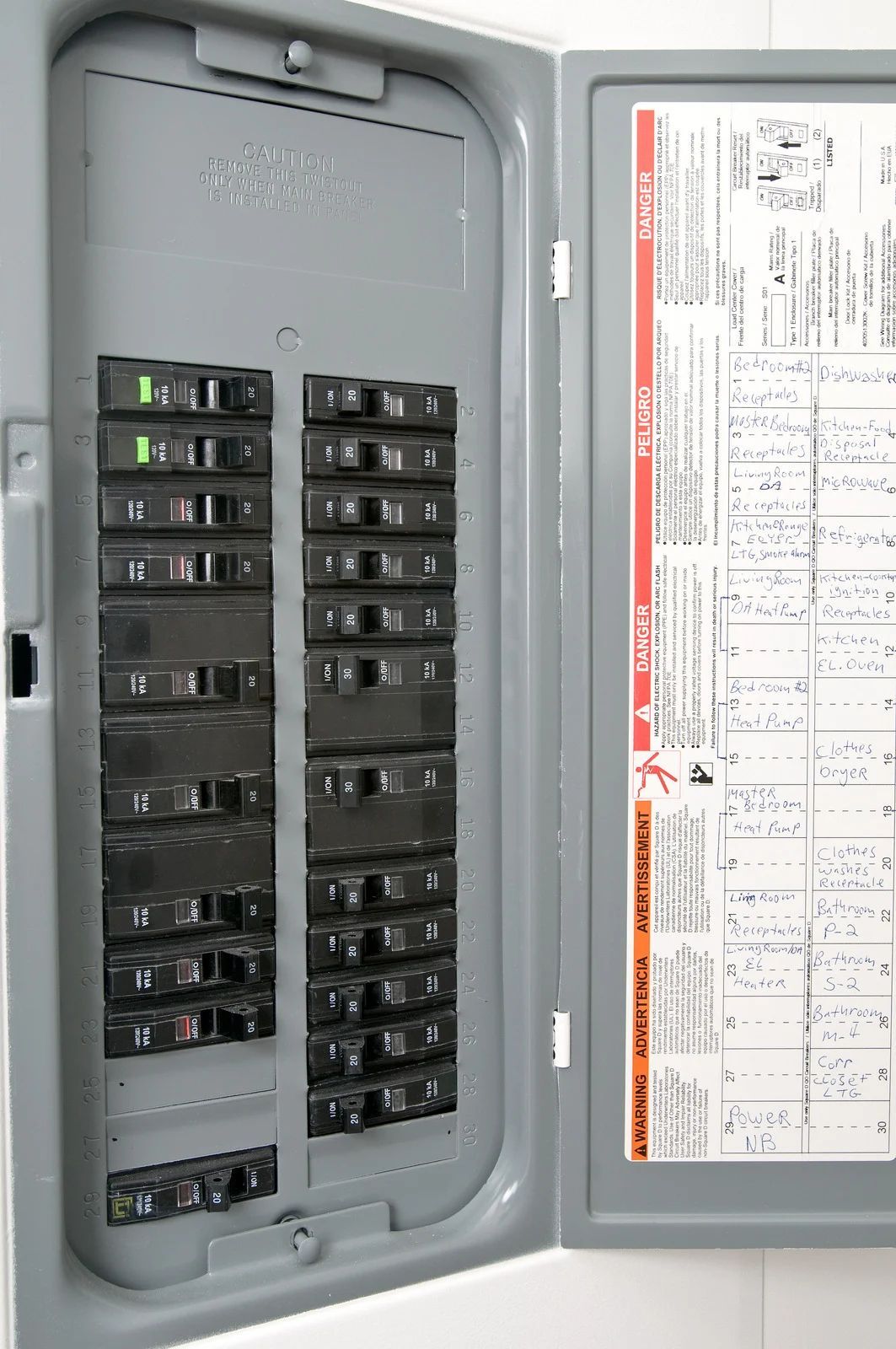
Warning: Never reset the breaker again and again hoping the compressor will catch, and never replace a tripping breaker with a larger one. A larger breaker removes the protection that keeps overloaded wiring and a stuck compressor from overheating, and it creates a fire risk. If the breaker trips more than once, leave it off and call for service.
Why South Florida Systems See This So Often
Humming compressors cluster in the same stretch of the year for good reason. From late spring through early fall, your system may run most of the day. That long runtime ages capacitors faster, and the heat inside a condenser cabinet on an August afternoon pushes components closer to their limits.
Humidity and salt play a part too. Moisture and salt film get into terminals and contactor points, raising electrical resistance. Higher resistance means weaker power reaching the compressor and more heat at the connection. That feedback loop is a quiet contributor to starting trouble in coastal neighborhoods from Fort Lauderdale to Boca Raton.
Power quality matters as well. Afternoon thunderstorms bring voltage dips, surges, and brief outages. Each hard restart after an outage asks the compressor to start under the toughest conditions it faces, and that is when a tired capacitor finally gives up.
None of this means a failure is inevitable. It means the parts that start the compressor deserve attention before the hottest months, not after the first no cool night.
How a Technician Confirms the Cause
A proper diagnosis does not guess. Here is the sequence we typically follow on a humming compressor call.
Visual Inspection First
Technicians inspect the cabinet, wiring, capacitor, contactor, and terminals for heat damage, corrosion, swelling, and loose connections.
Capacitor Testing
Capacitance is measured against the manufacturer's rating. Readings outside acceptable tolerance require replacement with a correctly rated component.
Contactor And Voltage Checks
Technicians measure voltage across the contactor and disconnect during startup to identify power delivery problems or electrical faults.
Compressor Electrical Tests
Technicians test winding resistance and insulation to distinguish a recoverable compressor motor from one that has failed.
System Condition Review
Low refrigerant, dirty condenser coils, or failing fan motors can cause overheating. Correcting underlying problems helps prevent repeat compressor failure.
Lifespan is worth knowing here. Compressors and fan motors commonly last ten to fifteen years with good maintenance, and humid conditions can shorten that. A unit in that age range with a stuck compressor is a very different situation from a five year old system with a worn capacitor.
Frequently Asked Questions
Why does my AC hum but not start the compressor?
The motor gets power but cannot turn the rotor. A weak capacitor is the usual cause, though a worn contactor, low voltage, or seized compressor sounds identical. Testing in order separates them.
Is it safe to keep running the AC while it hums?
No. A humming compressor draws locked rotor current and heats its windings with every attempt. Turn it off at the thermostat and breaker until a technician tests it.
Can a bad capacitor really stop the whole system from cooling?
Yes. The capacitor gives the compressor, and often the condenser fan, its starting boost. When it fails, the compressor hums without turning and the house gets no cooling.
Will a hard start kit fix a compressor that hums?
It can help a slow starter, but it will not cure a seized or failed motor. Confirm capacitor health, voltage, and wiring first, or the kit only hides the problem.
How long should I wait before turning the system back on after it shuts off?
Let pressures equalize first, which takes fifteen minutes to a few hours depending on the system. Restarting too soon risks liquid refrigerant reaching the compressor.
How do I know if the compressor is bad or just a cheaper part?
Sound alone cannot tell you. Technicians test the capacitor, contactor, and voltage first because they fail most often, then test compressor windings only if those pass.
Finding the Failing Part Before Replacing
A humming compressor feels like an emergency because it is one. The hum is the sound of a motor straining and heating up, and each failed attempt makes the eventual repair larger. In most cases the cause is a small electrical part that can be tested and replaced in a single visit, and the compressor then keeps running for years. Shutting the system off and letting someone with the right meters look at it protects the larger investment.
America's Technical Service, Inc
has worked on cooling systems in Fort Lauderdale, FL for 20
years, and that time has made tracing a no start condition routine. Testing the capacitor, contactor, voltage, and compressor windings in order means only the part that has truly failed gets replaced. Homeowners avoid repeat repairs, protect the compressor from further stress, and get a system that handles long South Florida summers with far less risk of another breakdown.