Troubleshooting Ductless Mini-Splits: Common Issues and How to Fix Them
Ductless mini-split systems have become a popular choice for homeowners and businesses seeking efficient, flexible, and cost-effective heating and cooling solutions. Unlike traditional HVAC systems, mini-splits eliminate the need for extensive ductwork, offering zoned temperature control, energy savings, and quieter operation. However, despite their advantages, these systems can experience operational issues that affect comfort and efficiency. Understanding common problems and knowing how to troubleshoot them can save time, prevent costly repairs, and extend the life of your mini-split system.
Mini-splits combine indoor and outdoor components connected by refrigerant lines, making them more sensitive to certain issues than conventional units. From airflow problems to electrical malfunctions, these systems require careful diagnosis to maintain optimal performance. Whether you’re a homeowner handling minor issues or a technician seeking practical guidance, mastering the troubleshooting process ensures your ductless system runs smoothly year-round. This blog will explore the most common ductless mini-split problems, provide actionable solutions, and highlight best practices for maintenance. By understanding these issues, you can enhance system reliability, energy efficiency, and overall comfort in your home or commercial space.
Airflow and Distribution Problems
Blocked or Dirty Filters
One of the most frequent causes of mini-split underperformance is restricted airflow due to dirty or clogged filters. Accumulated dust, pet hair, and debris can reduce efficiency, causing the system to work harder and consume more energy.
How to Fix: Remove and inspect filters monthly. Wash washable filters with mild detergent and allow them to dry completely before reinserting. Replace non-washable filters according to manufacturer guidelines. Maintaining clean filters ensures optimal airflow, reduces strain on the compressor, and improves indoor air quality.
Obstructed Indoor or Outdoor Units
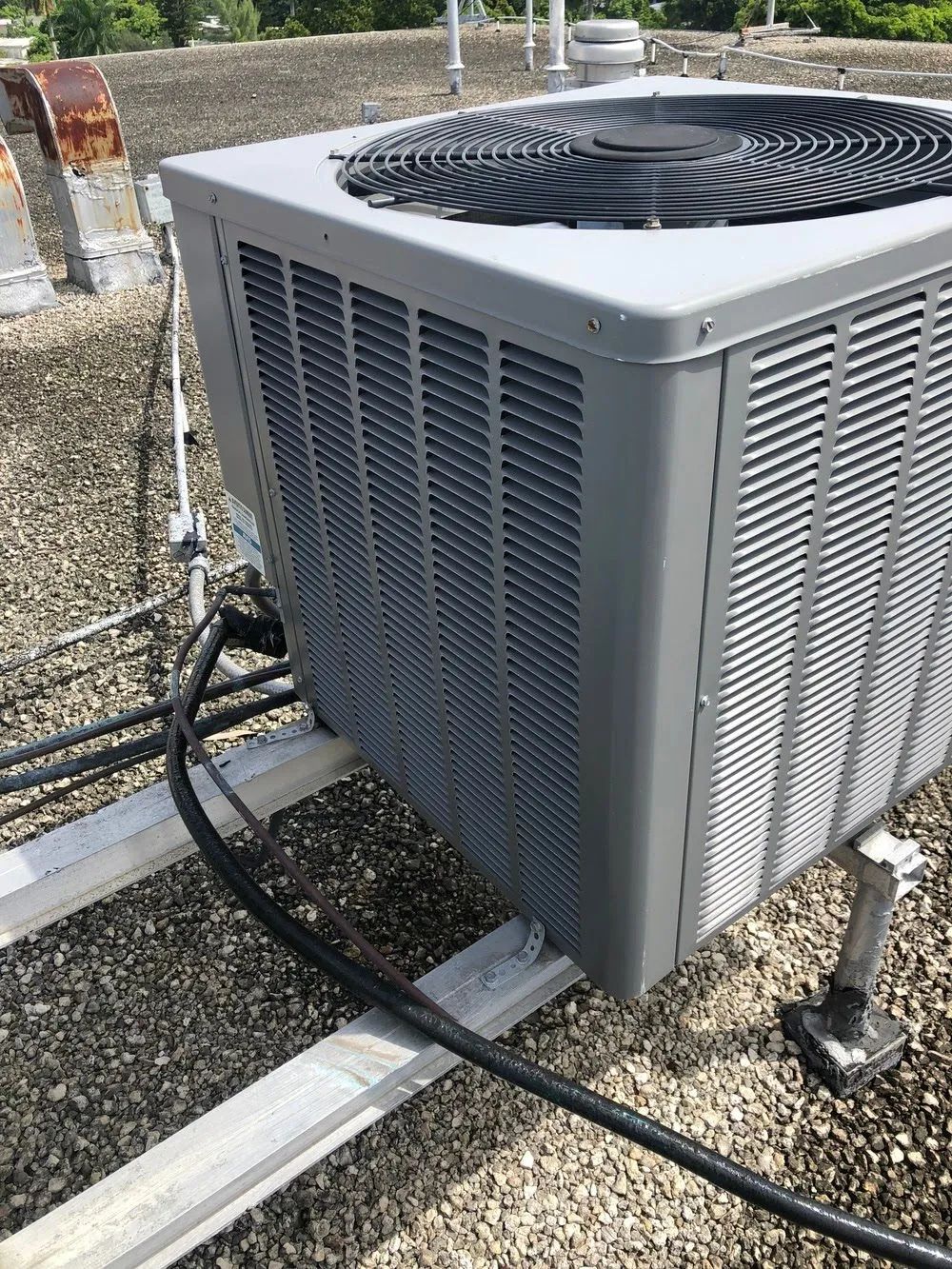
Indoor air handlers and outdoor condenser units must remain unobstructed. Furniture, curtains, or debris near indoor units can block airflow, while leaves, dirt, or vegetation around outdoor units can reduce heat exchange efficiency.
How to Fix: Ensure at least two feet of clearance around the indoor unit and three feet around the outdoor unit. Regularly inspect and clean coils with a soft brush or vacuum. Proper clearance improves air circulation, minimizes energy consumption, and prevents overheating.
Improper Airflow Settings
Many mini-splits offer adjustable fan speeds and swing modes. Incorrect settings can lead to uneven cooling or heating in a room.
How to Fix: Check the system’s manual to select appropriate airflow patterns for the room size and layout. Adjust fan speed to balance comfort and efficiency. Ensuring proper airflow settings enhances system performance and user comfort.
Temperature and Cooling Issues
Inconsistent Cooling or Heating
Mini-splits may fail to maintain a consistent temperature due to refrigerant imbalances, blocked lines, or sensor malfunctions. Cold or hot spots in a room indicate uneven heat distribution.
How to Fix: Inspect the system for visible leaks or frost accumulation on the indoor or outdoor units. If refrigerant levels are low, only a certified technician should recharge the system. Ensure temperature sensors are functioning and not obstructed by walls or furniture. Regular professional maintenance can prevent inconsistent cooling and maintain efficient operation.
Freezing Evaporator Coils
Evaporator coil freezing is a common problem caused by restricted airflow, low refrigerant, or extended continuous operation. Ice buildup reduces cooling capacity and may damage the compressor.
How to Fix: Turn off the system to allow ice to melt. Clean filters and ensure airflow is not blocked. If the issue persists, schedule a technician to check refrigerant levels and inspect the system for leaks. Preventative maintenance and proper airflow management can reduce coil freezing incidents.
Thermostat or Remote Control Malfunctions
Sometimes, the problem lies not with the mini-split itself but with its control interface. Malfunctioning thermostats or remote controls can send incorrect signals, causing erratic temperature behavior.
How to Fix: Replace batteries in the remote and ensure it is within range of the indoor unit. If the thermostat is hardwired, verify that it is calibrated and functioning properly. Resetting the system or consulting the user manual often resolves minor electronic glitches.
Water Leakage and Drainage Problems
Clogged Drain Lines
Mini-splits produce condensation during operation. Clogged or improperly installed drain lines can cause water to leak inside, potentially damaging walls, floors, and furniture.
How to Fix: Inspect the condensate drain line regularly. Clear any blockages using a wet-dry vacuum or compressed air. Verify that the line is sloped correctly to allow proper drainage. Ensuring clear and correctly installed drain lines prevents water damage and maintains system efficiency.
Improper Installation Angle
If the indoor unit is not installed level, condensate may accumulate and overflow, leading to leaks.
How to Fix: Check the unit’s mounting bracket to ensure it is properly aligned and level. Adjust the unit’s position if necessary. Correct installation angles are critical to safe drainage and long-term system performance.
Frozen Coils Leading to Leaks
As mentioned earlier, frozen evaporator coils can lead to water leaks when ice melts rapidly.
How to Fix: Address the root cause of freezing, such as dirty filters, low refrigerant, or obstructed airflow. Regular inspections and cleaning prevent coil freezing and associated leaks.
Electrical and Mechanical Problems
Unit Not Turning On
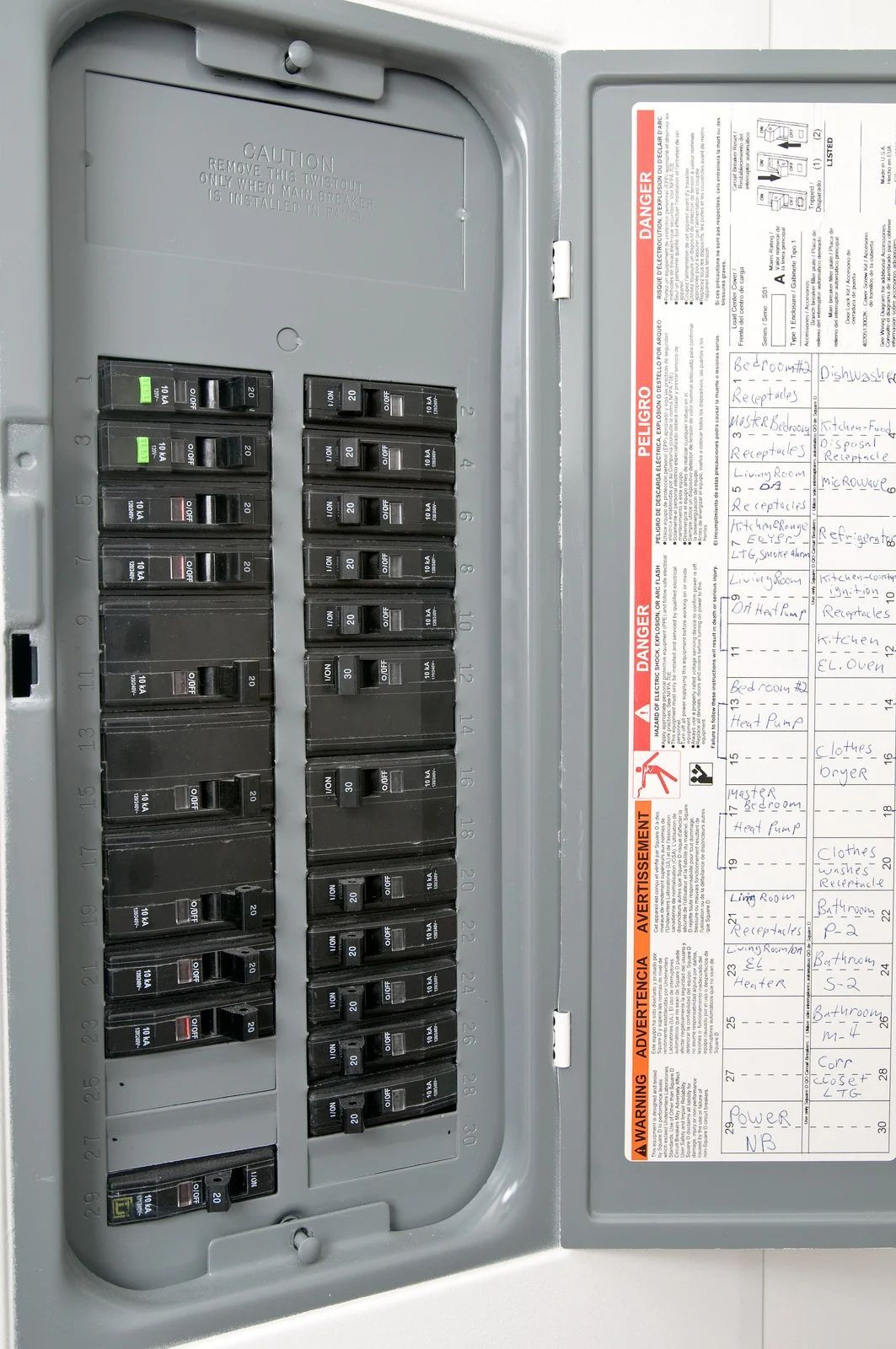
A common frustration is when the mini-split refuses to power up. Electrical issues, blown fuses, or tripped breakers are often responsible.
How to Fix: Check the main power supply, circuit breaker, and any dedicated mini-split disconnect switches. Inspect the system for loose wiring connections. If the problem persists, contact a licensed technician for a comprehensive electrical inspection. Ensuring safe and reliable electrical connections protects both the system and your property.
Strange Noises
Buzzing, rattling, or hissing sounds may indicate mechanical problems such as loose fan blades, debris in the outdoor unit, or refrigerant issues.
How to Fix: Power off the system and inspect the indoor and outdoor units for loose parts, debris, or obstructions. Tighten screws and remove foreign objects. If abnormal noises continue, a professional evaluation is necessary to prevent further damage. Regular maintenance reduces wear on moving parts and minimizes operational noise.
Short Cycling
Short cycling occurs when a mini-split repeatedly turns on and off in short intervals. This can be caused by oversized units, thermostat errors, or refrigerant problems.
How to Fix: Ensure the unit is appropriately sized for the space. Verify thermostat settings and sensor placement. If refrigerant issues are suspected, a certified technician should inspect and recharge the system. Proper system sizing and periodic professional maintenance prevent short cycling, extending equipment life.
Remote and Connectivity Issues
Remote Control Not Responding
Mini-splits rely heavily on remote controls. If your remote does not respond, it can disrupt operation completely.
How to Fix: Replace batteries, ensure there are no obstacles blocking the infrared sensor, and reset the system if necessary. For Wi-Fi-enabled units, ensure the network connection is stable and the system firmware is up to date. Consistent remote control functionality ensures easy and precise temperature adjustments.
Wi-Fi or Smart System Connectivity
Modern mini-splits often integrate with smart home systems. Connectivity issues can limit control options and access to energy-saving features.
How to Fix: Verify Wi-Fi network strength near the indoor unit. Reconnect the system to your network following the manufacturer’s instructions. Update the app and firmware as needed. Maintaining reliable connectivity allows remote monitoring, scheduling, and energy optimization.
Maintenance and Preventative Tips
Regular Cleaning Schedule
Keeping the system clean is essential to prevent many common issues. Schedule monthly cleaning of filters, coils, and fan blades.
Best Practice: Use a soft brush, mild detergent, and ensure all components are completely dry before reassembling. Consistent cleaning enhances efficiency and prolongs system life.
Professional Annual Inspection
Even with routine cleaning, an annual professional inspection is recommended. Technicians check refrigerant levels, electrical connections, coil condition, and overall system performance.
Expert Reasoning: Professional inspections identify potential problems before they escalate, reducing costly repairs and downtime.
Optimal System Usage
Avoid overworking your mini-split by setting realistic temperature targets and using programmable schedules.
Benefit: Proper system usage minimizes energy consumption, reduces wear on components, and maintains consistent comfort levels.
Seasonal Preparations
Before high-demand seasons, such as summer and winter, inspect the system for cleanliness, airflow, and operational readiness.
Real-World Scenario: Homeowners in regions with extreme temperatures may notice performance drops during seasonal peaks. Preemptive checks prevent unexpected failures during critical periods.
Experienced Technicians Safeguarding Efficient HVAC Performance
Ductless mini-splits are versatile, energy-efficient systems that provide exceptional comfort when properly maintained and troubleshot. Common issues—from airflow blockages and inconsistent temperatures to water leaks and electrical problems—can disrupt performance but are often preventable with regular care, timely inspections, and knowledge of basic troubleshooting techniques. By understanding these problems and applying practical solutions, homeowners and businesses can ensure their systems operate efficiently and reliably for years to come.
America's Technical Service, Inc, based in Fort Lauderdale, Florida, has over 20
years of experience providing expert HVAC support, including ductless mini-split troubleshooting and maintenance. Their team combines technical expertise with personalized service, addressing common system issues promptly and effectively. Whether it’s routine cleaning, refrigerant checks, or electrical repairs, America's Technical Service, Inc
delivers dependable solutions that extend equipment lifespan and optimize performance. Trusted by countless clients, their commitment to excellence ensures that every mini-split system functions safely, efficiently, and reliably, providing consistent comfort in any residential or commercial environment.